The Digital Colossus: Why Online Gaming's Ascent is Redefining Global Entertainment and Culture
Discover how online gaming is transforming global entertainment and culture, reshaping social connections and redefining digital experiences worldwide.
The Digital Colossus: Why Online Gaming's Ascent is Redefining Global Entertainment and Culture
Imagine a world where over 3.2 billion people—more than a third of the global population—engage daily in a single activity. This isn't a fantasy; it's the staggering reality of online gaming. What began as pixelated diversions has mushroomed into a digital colossus, a multifaceted phenomenon reshaping entertainment, economics, and even social interaction. Once dismissed as a niche hobby, online game has forged an indelible mark on our collective consciousness, evolving beyond mere play into a vibrant, complex ecosystem. From the adrenaline-fueled esports spectacles to the quiet strategy of a mobile puzzle, its tendrils reach every corner of the planet, cultivating communities, fueling economies, and influencing mainstream culture in unprecedented ways.

Photo by Tima Miroshnichenko on Pexels
The journey from rudimentary dial-up connections to instantaneous, high-fidelity virtual worlds is a testament to relentless technological innovation. This evolution has not only refined the gaming experience but also paved the way for entirely new forms of interactive entertainment. As the digital frontier expands, so does the scope of online gaming's influence, demanding a closer look at its intricate components.
How Have Technological Advancements Catapulted Online Gaming from Niche to Mainstream?
The bedrock of online gaming's meteoric rise lies in continuous technological breakthroughs. Early online games were constrained by limited internet speeds and computing power, offering experiences that were often clunky and slow. However, the advent of broadband internet in the late 1990s and early 2000s marked a pivotal turning point, allowing for more complex multiplayer interactions and persistent online worlds. This exponential leap in connectivity enabled a qualitative shift, transforming isolated gaming sessions into shared, real-time adventures. The subsequent rise of cloud computing and mobile technology further democratized access, placing sophisticated online experiences within reach of billions via smartphones and tablets.
We've seen the progression from simple text-based MUDs (Multi-User Dungeons) to graphically rich MMORPGs (Massively Multiplayer Online Role-Playing Games) and hyper-realistic battle royales. Innovations in server infrastructure now support millions of concurrent players, while advancements in graphics processing units (GPUs) render breathtaking virtual landscapes. Moreover, the integration of artificial intelligence (AI) and virtual reality (VR) promises an even more immersive future, blurring the lines between the digital and physical. These technological strides continue to push the boundaries of what an online game can be, fostering an environment ripe for innovation and engagement.
What Role Do Global Player Communities Play in Defining the Online Gaming Experience?
Beyond the code and graphics, the true living heart of online game lies within its vast and diverse player communities. These communities transcend geographical borders, uniting individuals from myriad backgrounds through shared passions and collective objectives. From tightly-knit guilds strategizing raids in fantasy realms to massive esports fan bases cheering on their favorite professional teams, human connection is at the core of the online gaming appeal. Platforms like Discord, Twitch, and YouTube have become digital town squares where players congregate, share strategies, celebrate victories, and forge lasting friendships. This social dimension transforms solitary screen time into a dynamic, interactive experience.
These communities are not passive consumers; they are active co-creators of game culture. They generate user-generated content, influence game development through feedback, and even shape the competitive meta-game. The collective wisdom and shared energy of a vibrant community can elevate a good game to a cultural phenomenon. For example, the success of indie titles often hinges on the passionate advocacy of their early adopters. This powerful sense of belonging fuels engagement and loyalty, making online gaming not just a product, but a deeply ingrained social fabric for millions.
How Has Online Gaming Forged a Trillion-Dollar Digital Economy?
The economic footprint of online game is nothing short of colossal, dwarfing traditional entertainment sectors in many aspects. What began with simple game sales has diversified into a breathtakingly complex digital economy. This complex structure includes not only direct game purchases but also in-game microtransactions, subscriptions, advertising, and the burgeoning esports market. Virtual items, from cosmetic skins to powerful weapons, are traded for real money, creating vibrant secondary markets and enabling players to personalize their experiences. Companies like Pakwin777, with offerings like the captivating Aviator, tap into this dynamic economic landscape, providing thrilling experiences that drive engagement and value.
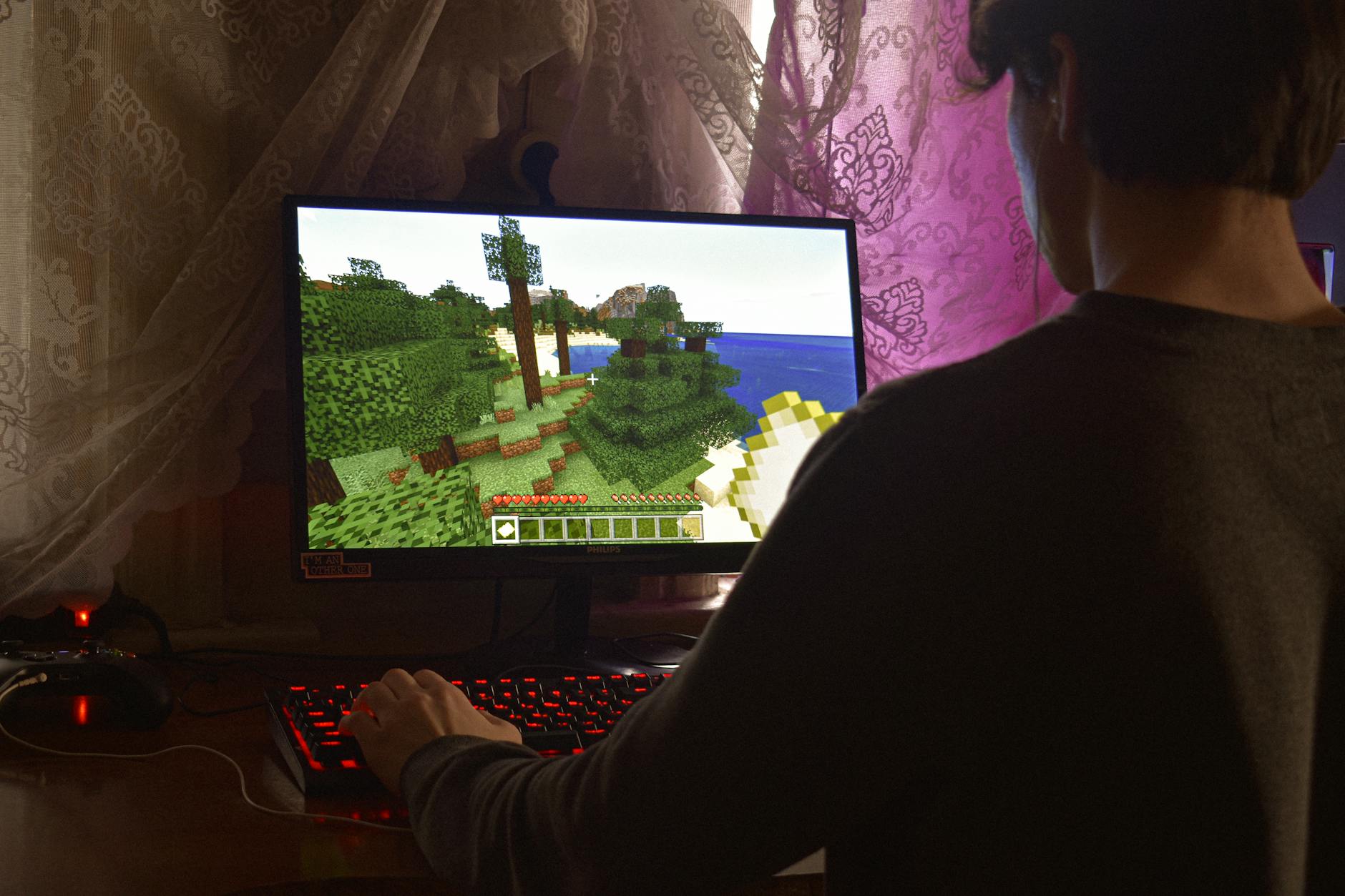
Photo by Alexander Kovalev on Pexels
The professionalization of esports, where skilled gamers compete for multi-million dollar prize pools in front of stadium-sized audiences and millions more online, has further solidified gaming's economic power. Sponsorships, streaming revenue, and merchandise sales contribute to an ecosystem that supports not just developers and publishers, but also a new class of digital gladiators and content creators. According to Newzoo, the global games market generated over $184 billion in 2023, showcasing its undeniable economic might and future growth potential in sectors ranging from virtual entertainment to sophisticated data analytics.
What Are the Enduring Cultural Impacts of Online Gaming?
The cultural influence of the online game genre extends far beyond the confines of digital screens, permeating mainstream media, language, and social norms. Phrases like "GG" (good game), "noob," and "respawn" have entered common vernacular, demonstrating gaming's linguistic footprint. Iconic characters and narratives from popular online games are recognized globally, inspiring art, film, and fashion. Gaming themes and aesthetics regularly appear in commercials, music videos, and even high fashion runways, reflecting its pervasive cultural integration. This cross-pollination underscores how deeply ingrained online gaming has become in modern identity.
Moreover, online gaming has challenged traditional notions of leisure and productivity. It offers avenues for skill development, strategic thinking, problem-solving, and teamwork. For many, it's a primary source of entertainment, social interaction, and even professional aspiration. The rise of streamers and content creators has transformed gaming into a spectator sport, creating new celebrity figures and shaping youth culture. This shift highlights gaming's transition from a marginal activity to a central pillar of contemporary global culture, influencing how we interact, learn, and entertain ourselves.
Why is Responsible Engagement Crucial for the Future of Online Gaming?
As online game continues its unprecedented growth, addressing challenges like internet addiction, cyberbullying, and ensuring fair play becomes paramount. The immersive nature of digital worlds, while engaging, can lead to excessive use for some, impacting real-world responsibilities and well-being. Developers and platforms have a critical role in implementing features that promote healthy gaming habits, such as play-time reminders and self-exclusion options. Awareness campaigns and educational resources are also vital in helping players, especially younger demographics, maintain a balanced approach to their online activities. For platforms like Pakwin777, fostering a secure and fair environment is equally important, particularly in interactive experiences like Aviator, where trust and transparency are key.

Photo by Tima Miroshnichenko on Pexels
Furthermore, the prevalence of online interactions makes players vulnerable to cyberbullying and harassment. Robust reporting mechanisms, moderation teams, and community guidelines are essential to cultivate a respectful and inclusive environment. Promoting digital citizenship and empathy within gaming communities can significantly mitigate negative behaviors. Ultimately, the industry, players, and parents must collaborate to create a sustainable and positive future for online gaming, recognizing its immense potential while proactively addressing its inherent risks.
What Emerging Trends Are Set to Reshape the Online Gaming Landscape?
The future of online game promises even greater innovation and integration into daily life. We're on the cusp of experiencing widespread adoption of truly immersive technologies, with virtual reality (VR) and augmented reality (AR) poised to redefine how we perceive and interact with digital worlds. Imagine not just playing a game, but stepping inside it, influencing narratives and outcomes with physical gestures and voice commands. The boundaries between games and other forms of media, such as film and social networking, are also blurring, leading to more interactive cinematic experiences and blended social platforms.

Photo by Castorly Stock on Pexels
The rise of the metaverse, a persistent, shared virtual space, represents another frontier. Here, online gaming could evolve into a central component of digital commerce, education, and social gatherings, allowing users to earn, learn, and connect in entirely new ways. Blockchain technology and non-fungible tokens (NFTs) are also beginning to influence aspects of game ownership and in-game economies, albeit with emerging regulations and complexities. These trends suggest a future where online gaming is not just about entertainment, but a fundamental layer of our digital existence, offering unparalleled opportunities for creation, connection, and economic participation.
The journey of online game from a niche pastime to a dominant global cultural phenomenon is an extraordinary testament to human innovation and connectivity. Its intricate ecosystem, bolstered by continuous technological advancements, thrives on vibrant player communities, generates immense economic value, and profoundly influences global culture. As platforms like Pakwin777 continue to break new ground with engaging experiences like Aviator, the digital colossus only grows larger and more influential. The challenges of responsible engagement remain, but the trajectory is clear: online gaming is not just here to stay, it is actively building the future of entertainment and interaction. Its story is still being written, pixel by pixel, connection by connection.
常見問題
Q: What is the primary factor driving online gaming's growth?
A: The primary factor driving online gaming's growth is technological advancement, particularly in internet connectivity, mobile technology, and sophisticated graphics, making engaging experiences accessible to billions globally.
Q: How do player communities contribute to online game development?
A: Player communities contribute significantly by providing feedback, generating user-created content (UGC), influencing game balance and features, and actively shaping the game's competitive metas through their collective engagement and discussions.
Q: Can online gaming be a legitimate career path?
A: Yes, online gaming can be a legitimate career path through professional esports, game streaming and content creation, game development, quality assurance, and community management roles within the industry.
Q: What are the biggest risks associated with excessive online gaming?
A: The biggest risks associated with excessive online gaming include internet addiction, neglecting real-world responsibilities, cyberbullying, exposure to inappropriate content, and potential mental health impacts like increased anxiety or social isolation.
Q: What is the metaverse's potential impact on the future of online gaming?
A: The metaverse could transform online gaming by creating persistent, interconnected virtual worlds where gaming becomes deeply integrated with digital commerce, education, and social interaction, offering entirely new forms of immersive experiences and economic opportunities.
Q: How does Aviator, as an online game, exemplify current trends?
A: Aviator exemplifies current trends by offering a fast-paced, accessible, and social online gaming experience, often emphasizing real-time interaction and a straightforward, engaging gameplay loop that appeals to a broad audience seeking instant entertainment and potentially thrilling outcomes. [內部連結: Deep Dive into Aviator Game Mechanics]
Q: What are some alternative revenue streams generated by online gaming?
A: Beyond direct game sales, alternative revenue streams include in-game microtransactions for cosmetic items or boosts, subscription models, advertising within games, esports sponsorships, streaming platform donations, and sales of merchandise related to popular games.